Common Hydrangea Problems and Solutions
- horticulturist and gardening expertJuly 18, 2026
It’s not surprising hydrangeas are filling our landscapes. They add color, texture, and multiple seasons of beauty to the landscape. Prized for their easy-care nature, that is, until something goes wrong. When that happens, it’s time to do a bit of research and make needed changes to bring your hydrangea back to health and beauty.
Hydrangea is All Leaves and No Flowers
“Why are my hydrangeas not blooming?” This is the most common complaint I hear, especially from northern gardeners growing bigleaf hydrangeas (Hydrangea macrophylla). These are the beautiful pink or blue-flowered hydrangeas you see thriving in milder climates. They form their flower buds on stems (old wood) the summer prior to flowering. Pruning this type of hydrangea any time other than right after the flowers fade can impact flowering. In colder regions, the old wood is often killed back to the ground, eliminating the flower buds. The roots survive, but all you have are green leaves on fresh new growth.
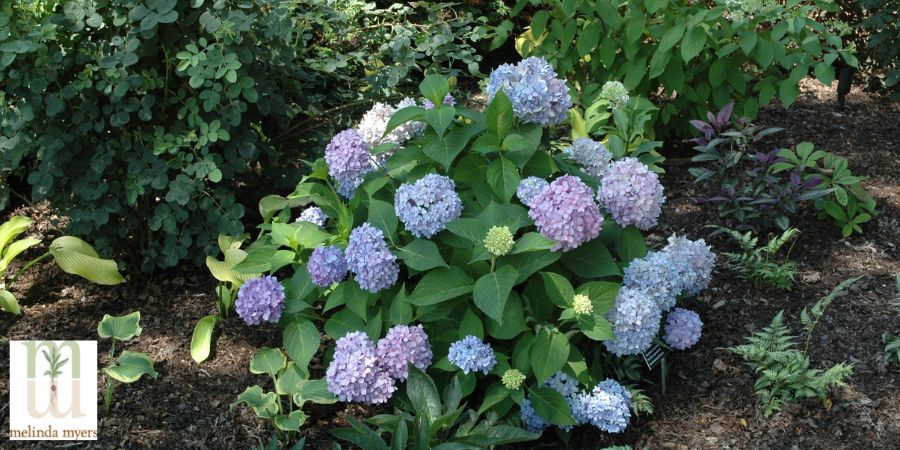 Bigleaf Hydrangeas (Hydrangea macrophylla)
Repeat blooming hydrangeas were introduced to extend the bloom time of bigleaf hydrangeas and allow cold-climate gardeners the opportunity to enjoy pink or blue hydrangea blooms. These plants flower on old wood as well as new growth. If a cold winter kills the plant back to the ground, the new growth is supposed to flower. Many northern gardeners have been disappointed with the lack of flowering on many of the repeat- blooming cultivars. I have found that keeping the soil moist, not wet, spring through fall, and making one application of Milorganite each spring can greatly improve the floral display. Research has found that as the microorganisms release the nutrients from the Milorganite some of the phosphorus and potassium bound to the soil are made available to the plants. Phosphorus helps promote flowering and root development while potassium aids hardiness and disease resistance.
If your neighbors’ bigleaf hydrangeas flower yearly, you can’t blame the climate. Make sure you are pruning at the proper time. Fortunately, these plants need minimal pruning. Then check your watering and fertilization regime. A soil test will provide recommendations for how much and what type of fertilizer to use. Avoid over-fertilizing with high nitrogen fertilizers that promote leaf and stem growth and can limit or eliminate flowering. Consider using Milorganite, a low-nitrogen slow-release fertilizer for your hydrangeas. It provides small amounts of needed nutrients over a longer period.
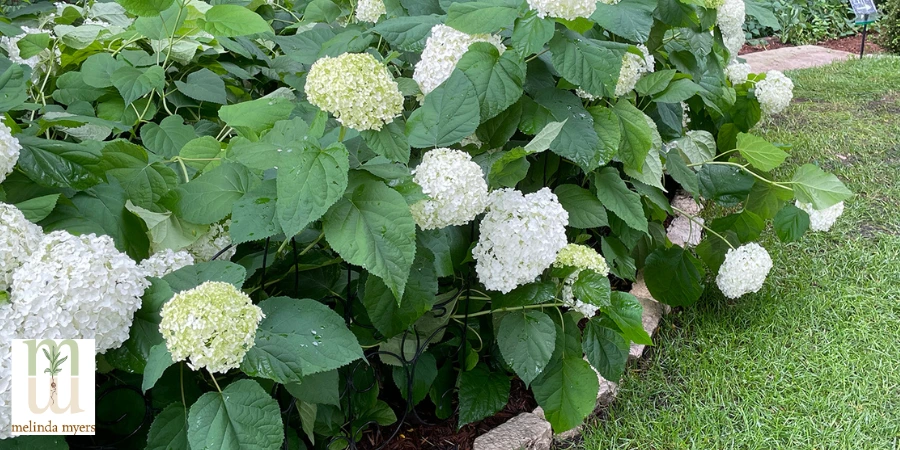
(Hydrangea arborescens)
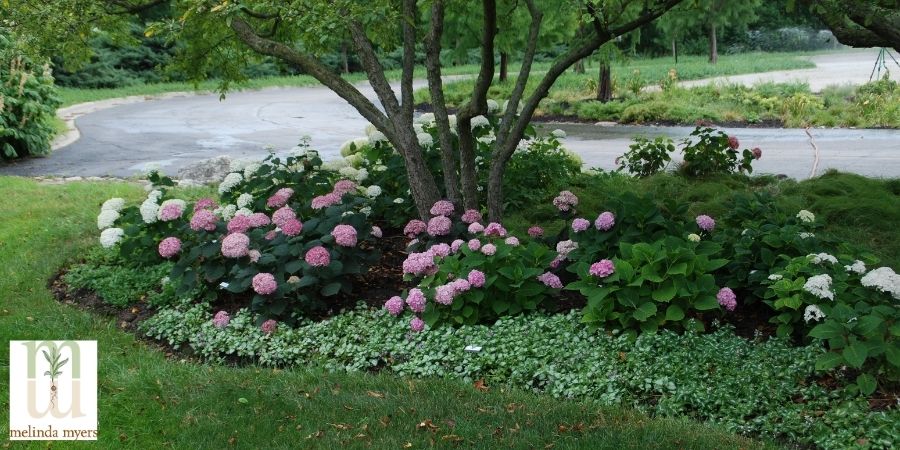
The easiest solution for those in zones 5 and colder is to grow panicle or smooth hydrangeas. These are hardier and form their flower buds the same year they bloom. You are probably familiar with the big round white flowers of the smooth hydrangeas (Hydrangea arborescens) often referred to as Annabelle types. Now you can buy pink flowering varieties like Invincibelle® Spirit II and Incrediball® Blush. These are hardy in parts of zones 3 to 9 and form their flower buds and bloom on the current season’s new growth. Pruning is not a cause of poor flowering on these. Too much shade or over-fertilization is usually the problem when these don’t flower. Adjust care and consider moving the plants to a bit more sunlight if that seems to be the issue.
Another good choice are the Panicle hydrangeas. Their popularity continues to grow due to their hardiness, easy-care nature, variety of available sizes, and reliable flowering. Their flower buds, like Annabelle’s, form the same season they bloom. The white cone-shaped flowers fade to pink or red and then brown. These prefer full sun, tolerate part shade, and are the most drought-tolerant of the hydrangeas once established. Provide the needed growing conditions and avoid applying excess nitrogen, and you will be rewarded with flowers each year.
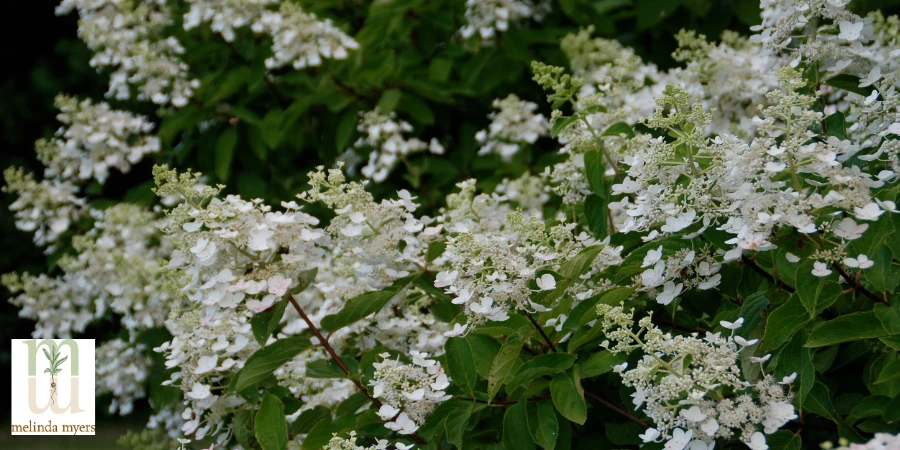
Hydrangea paniculata
But if you’re like most gardeners, you may want to grow the plants you can’t have. Horticulturist Tim Boebel is one of those plant people. He has a pruning, mulching, and fertilization program that has yielded great results for him and others trying to grow bigleaf hydrangeas in the north. Visit his website or read his book Hydrangeas in the North: Getting Blooms in the Colder Climates for a detailed description of his overwintering method, care, and a list of bigleaf varieties he recommends.
Don’t worry when your newly planted hydrangeas, even those reliable bloomers, fail to flower the first year or two after planting. Like most shrubs, they are usually grown in containers and sold when in full bloom. At that time, the roots fill the pot signaling the plant it is ready to flower. Once you plant the shrub in the garden, it begins focusing its energy on establishing a healthy root system instead of producing flowers. This is good for the plant’s health and longevity but disappointing when you are looking forward to those beautiful blooms. Provide proper care, avoid over-fertilization, and you will soon be rewarded with a healthy plant and beautiful blossoms.
Wilted Hydrangea Plants and Flowers
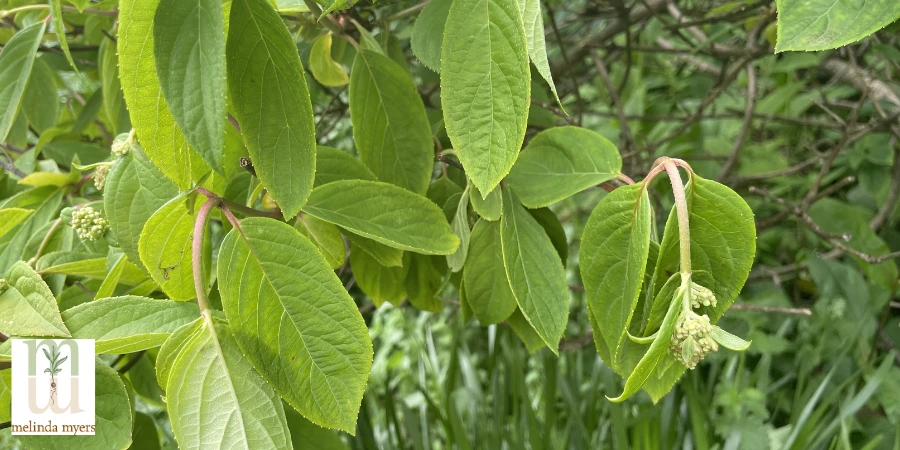
Some hydrangea cultivars are notorious for their large flowers that weigh down the stems. Proper pruning can help, but you may need to get creative and look for ways to support the plants. When buying new plants, look for varieties noted for strong stems that support the large flowers.
Wilted hydrangea
Try reducing floppy growth on existing hydrangeas, especially smooth hydrangeas (Annabelle-types), with proper pruning. When you cut all their stems back to the ground during the dormant season, they tend to flop. Instead, cut all the stems back to 15-18” high in late winter. Then prune half of these stems to ground level. The older stems help support the new growth, reducing the risk of floppy growth.
Don’t over-prune your panicle hydrangeas either. Focus on removing the spent flowers and improving the overall shape if needed. When pruned severely, you end up with floppy growth and drooping flowers. Remove any crossing or damaged branches and shorten stems by no more than one third. Make cuts using bypass pruners just above a healthy bud. Check out the YouTube Video from Proven Winners to see how it’s done. Better yet, select the variety that fits the space so minimal pruning will be needed, saving yourself some work and frustration.
Weather, improper fertilization, and a lack of water can also cause drooping flowers and wilted plants. If your plants normally stand tall, warmer and wetter-than-normal weather, not extreme heat, can promote lush succulent growth that may not be strong enough to support the large hydrangea blooms. We can’t change the weather, but we can make sure we water, fertilize, and prune properly.
Do fertilize your hydrangeas as needed, but just like anything, too much, especially from high-nitrogen fertilizers, not only interferes with flowering but also promotes growth that may be unable to support the blooms. Boost the health of your soil with compost, organic mulches, and Milorganite to promote strong, balanced above and below-ground growth. Milorganite contains 85% organic matter feeding the soil as well as the plants.
Make sure plants receive sufficient water during hot, dry weather. A lack of water results in wilted leaves and stems. This is a common problem with new plantings of container-grown shrubs. These plants were raised in soilless mixes that provide great drainage but do not retain water as long as most garden soils. To avoid overwatering your new plantings, check the soil near the plant and in the surrounding garden soil. The first few years, you may be watering the original root zone more often than the surrounding soil. Once those roots grow into the garden soil, this will be less of an issue. Just be careful not to overwater. Wet, soggy soils can lead to poor rooting, rot, and death of your plant.
Hydrangea Flowers Quickly Turn Brown
Hotter-than-normal temperatures and dry soil can quickly turn hydrangea blooms to brown. Adjust your watering routine as needed to keep your plants healthy. Soil dries more quickly as the temperatures climb, so you may need to water more often. Continue to water thoroughly, encouraging more robust drought-tolerant roots. Check the soil and wait until the top few inches are crumbly but slightly moist to water. Avoid frequent shallow watering that encourages roots to grow near the surface. The shallow roots dry out more quickly requiring more frequent watering to keep your plants alive.
Help the plants and reduce your workload by mulching the soil with leaves, woodchips, or shredded bark. Pull the mulch back from the stems of the plant. A layer of organic mulch helps conserve moisture, suppress weeds, keep the soil a bit cooler, and improves the soil as it decomposes. You’ll gain lots of benefits from this one task.
Holes, Discolored and Missing Leaves on Hydrangeas
When your hydrangea has holes in the leaves, it is likely an insect causing the damage. Japanese beetles appear midsummer, feed during the day, and are easy to spot with small patches of white hairs surrounding their coppery green body. You can’t miss them or the lacy appearance of the damaged leaves. Some gardeners choose to tolerate the damage as it is mostly cosmetic on established healthy plants. If you can’t, try knocking them into a can of soapy water or vacuum them up. Just be sure to empty the vacuum’s contents into soapy water before stowing it away.
If you are looking for an organic control, you may want to try BeetleGone!® and BeetleJus!®. These are brands of an organic insecticide that controls adult and larvae of Asian, Japanese, and Oriental beetles. The active ingredient is a specific strain of a naturally occurring soil bacteria (Bacillus thuringiensis galleriae). It kills the adults without harming bees, butterflies, and other pollinators.
If its sticky, yellowing or puckered leaves look for Aphids. These teardrop-shaped insects suck plant juices and excrete the excess as a clear sticky substance called honeydew. A strong blast of water may be enough to knock them to the ground. Consider waiting for lady beetles, green lacewings, other beneficial insects, and birds to move in and eat the problem for you. If the pests remain, try an organic control such as insecticidal soap or a lightweight horticulture oil like Summit Year-Round Spray Oil.
If you find honeydew but no aphids, look for two spotted spider mites. Just shake a damaged leaf over a piece of white paper and watch for tiny specks scurrying across the paper. If discovered the treatment is the same as for aphids. If nothing is found it may mean beneficial insects have moved in and managed the problem for you.
As always, read and follow label directions whenever using any organic, natural, or synthetic product. You’ll keep yourself safe, achieve better results, and avoid damage to the plants.
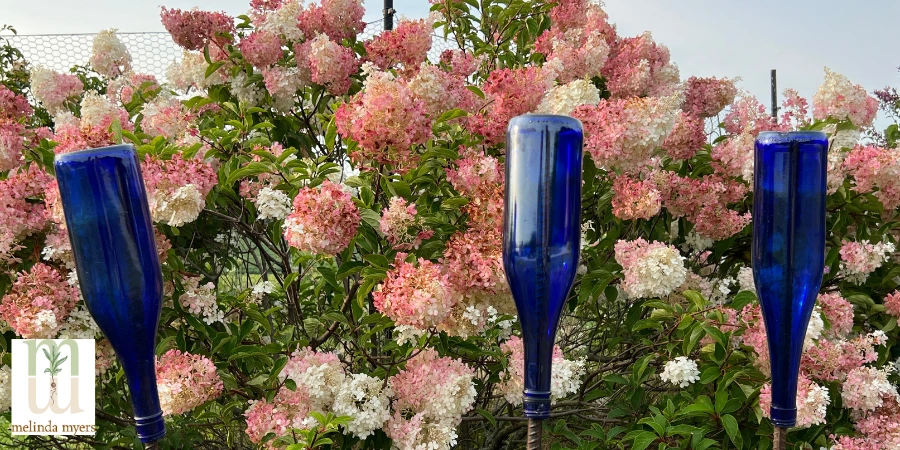
Use glass bottles to make noise to scare deer in the wind
When your plant is missing leaves and leafy stems, deer are likely the culprit. A five-foott-tall fence around small gardens 13’ (4m) x 8’ (2.5m) have been found to protect plants from these hungry critters. You may decide fencing is not a practical or aesthetically pleasing option. Scare tactics may work, but urban and suburban wildlife do not scare easily, especially when they are hungry. One horticulturist used colorful wine bottles inverted over metal stakes. As the wind blew, the bottles clanged and helped keep the deer away. Animal repellents are another option. Treat plants before animals start feeding for better results, and repeat as recommended on the label. Check the repellent label for plants that can be treated, animals the product repels, and when to reapply. Consider an organic rain and snow-resistant product that requires fewer applications saving you time and money. Whatever method you select, continue to monitor for damage and adjust your control measures as needed.
Other Leaf Problems and Diseases
When you discover spots on the leaves of your hydrangea, it’s time to do a bit of research. You’ll discover several different fungal diseases that cause this type of damage. Cercospora leaf spot is the most common with tan spots surrounded by reddish-brown halos. Avoid overhead watering, remove leaf debris throughout the summer and do a thorough clean-up at the end of the season. If you opt to treat, make sure the fungicide you select is labeled for this purpose and apply it according to label directions. Keep in mind fungicides are preventatives protecting non-infected leaves.
Still searching for the cause? Look for small water-soaked spots on flower petals that expand and turn brown indicating botrytis blight. As the infected petals fall on the leaves, they can become infected and develop spots. You may also find the flowers covered with a gray fuzzy growth. Remove the infected flowers and do a thorough cleanup in fall to remove the fungal spores that survive in plant debris for future infections.
If it looks like someone sprinkled baby powder over the leaves, powdery mildew, is the problem. You may also notice yellow or purple blotches on the leaves. This disease is most common on overcrowded bigleaf hydrangeas growing in the shade. Treatment is usually not needed but a thorough clean-up in the fall will help reduce the risk the following year.
Proper care is the key to growing healthy plants and fixing unhealthy hydrangeas. Avoid overhead watering and always water thoroughly when needed. Mulch the soil to keep the roots cool and moist helping your hydrangeas thrive. Prune at the right time and way based on the type of hydrangea you’re growing. Not only does proper pruning promote flowering but it can increase air circulation and sunlight exposure helping reduce the risk of disease.
When problems do occur, look for clues to the cause. Visit reliable resources like your university extension service for details on the symptoms, cause, and control options if needed.
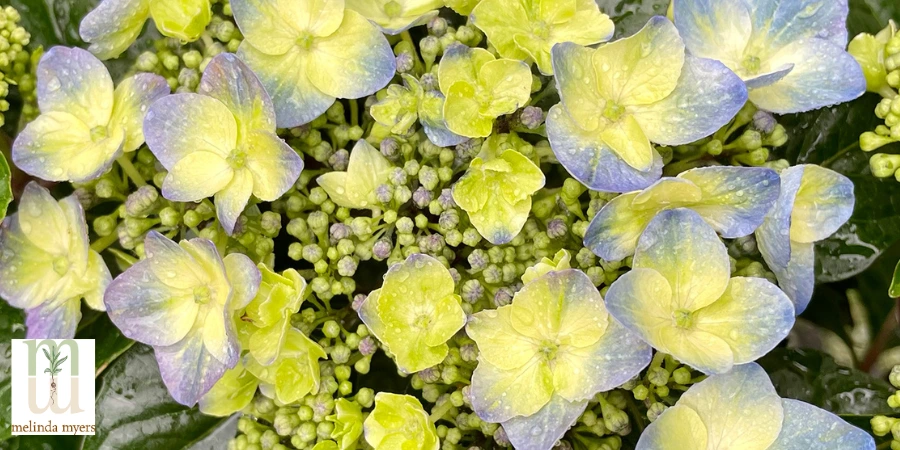
Hydrangea-macrophylla
Despite the challenges, the beauty hydrangeas add to the landscape make them one of the most popular shrubs. Reduce maintenance and increase your success by selecting the right hydrangea for your climate, growing conditions, and gardening style. You’ll be rewarded with healthy flowering shrubs for your gardens, mixed borders, and hedges.